Understanding the Role of a Metal Fabricator
In the realm of construction and structural integrity, the role of a metal fabricator is pivotal. They are the backbone of projects that require precision and durability in metal works, from residential gates to large commercial structures. A proficient Metal fabricator combines artistry with engineering, fabricating metal components that are both functional and aesthetically pleasing. This article delves into the essential functions of metal fabricators, the significance of in-house fabrication, and the best practices for ensuring project success.
What Is a Metal Fabricator?
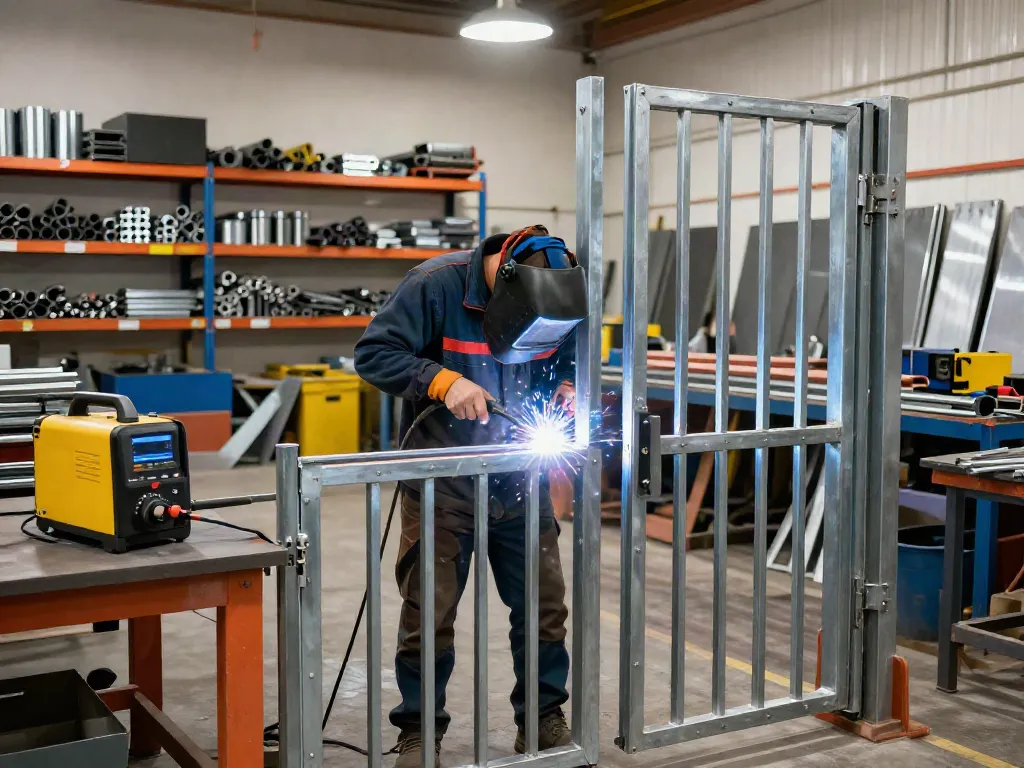
A metal fabricator is a skilled tradesperson involved in the creation and assembly of metal structures and components. This profession encompasses various processes, including cutting, bending, welding, and machining. Metal fabricators work with a range of materials, including steel, aluminum, and other alloys, to produce everything from simple components to complex assemblies. Whether for construction, manufacturing, or decorative purposes, metal fabricators play a crucial role in ensuring that projects are built to last.
Key Responsibilities and Skills of Metal Fabricators
Metal fabricators must possess a diverse skill set to complete their work effectively. Some key responsibilities include:
- Reading and interpreting blueprints and technical drawings
- Utilizing tools such as saws, shears, and welding equipment
- Conducting quality control checks to ensure specifications are met
- Collaborating with engineers and architects to understand project requirements
- Handling materials and maintaining an organized workspace
Additionally, metal fabricators should be adept at problem-solving and have a keen eye for detail, ensuring that all components fit correctly and perform as intended.
The Importance of In-House Fabrication
One of the foremost advantages of in-house fabrication, particularly seen in organizations like Al Taher Group, is the control it offers over quality and timelines. By managing the entire fabrication process under one roof, companies can ensure that every element meets their standards and specifications. This eliminates many common complications associated with outsourcing, such as miscommunications about designs or delays in delivery.
Common Challenges Faced by Metal Fabricators
Despite the best intentions, metal fabricators often encounter challenges that can impact project success. Understanding these hurdles is essential for effective management and execution.
Dealing with Client Expectations and Design Changes
Client expectations can vary significantly, and as projects evolve, so too can the designs. Fabricators must be equipped to handle last-minute changes while maintaining project harmony. Effective communication is crucial here, allowing fabricators to keep clients informed and engaged without compromising on quality.
Managing Material Costs and Sourcing
Material costs can fluctuate based on market conditions, which can strain budgets. Metal fabricators must stay informed about market trends and develop strong relationships with suppliers to secure the best prices and quality materials. Additionally, sourcing local materials can help mitigate transportation costs and enhance sustainability.
Addressing Environmental Factors Influencing Metalwork
Environmental factors, such as humidity and salt exposure, particularly in coastal areas like Fujairah, can significantly impact the longevity and effectiveness of metalwork. Corrosion is a critical concern, thus necessitating the use of advanced coatings and treatments to protect metal components.
Best Practices for Successful Metal Fabrication Projects
Implementing best practices is crucial for the success of metal fabrication projects. Here are some strategies that can lead to successful outcomes.
Effective Project Management Techniques
Strong project management ensures that projects remain on schedule and within budget. Using project management software can help keep track of timelines, resources, and progress, facilitating communication among team members and stakeholders.
Utilizing Advanced Technology in Metal Fabrication
Leveraging advanced technology, such as CNC (Computer Numerical Control) machining and 3D modeling, enhances the precision and efficiency of metal fabrication. These tools allow for more intricate designs while reducing the chances of human error.
Quality Control Measures to Ensure Excellence
Quality control is paramount in metal fabrication. Regular inspections during the fabrication process help detect issues before they escalate into costly mistakes. Implementing ISO certification standards can also establish a baseline for quality across all projects.
Performance Metrics for Metal Fabricator Success
To gauge success effectively, metal fabricators should track various performance metrics. Understanding these can lead to operational improvements and client satisfaction.
How to Measure Project Efficiency and Timeliness
Project efficiency can be assessed through metrics such as on-time delivery rates, project completion times, and adherence to budgets. Tracking these metrics provides valuable insights into operational efficiency and can highlight areas for improvement.
Key Performance Indicators for Metal Fabricators
Key performance indicators (KPIs) might include:
- Rate of rework or defects
- Client satisfaction scores
- Profit margins per project
- Employee productivity levels
These KPIs help metal fabricators maintain high standards and improve their services continuously.
Client Satisfaction and Feedback Mechanisms
Gathering client feedback is essential for long-term success. Implementing surveys and engaging directly with clients post-project can provide insights into their experiences, which can then be used to improve future services.
Future Trends in Metal Fabrication: What to Expect in 2026
The industry of metal fabrication is evolving rapidly, and staying ahead of trends is essential for success in a competitive market.
Innovations in Materials and Techniques
Innovative materials, such as composite metals and alloys, are reshaping the landscape of metal fabrication. These materials often provide enhanced durability and performance, making them ideal for challenging environments.
The Impact of Automation on Metal Fabrication
Automation is becoming increasingly significant in the industry, with robotic welders and automated cutting machines improving precision and production speeds. Embracing automation can lead to significant efficiencies and cost reductions.
Emerging Markets and Opportunities for Growth
As global construction expands, new markets for metal fabrication are emerging. Regions with rapid urbanization present opportunities for metal fabricators willing to invest in new technologies and establish local partnerships.
What Questions Should You Consider?
Thoughtful inquiries can drive improvement and innovation in metal fabrication. Consider questions such as:
- How can we reduce waste and increase sustainability in our processes?
- What are the current market trends that could affect our business strategy?
- Are there new technologies we should invest in to improve our operations?
What Does a Metal Fabricator Do?
Metal fabricators are responsible for creating metal structures and components through various methods such as cutting, bending, and welding. They work closely with design specifications to produce items that meet specific functional and aesthetic standards.
Is a Metal Fabricator the Same as a Welder?
While there is overlap, a metal fabricator encompasses a broader range of activities beyond just welding. Metal fabricators may also involve processes such as machining, assembly, and finishing, which go hand-in-hand with welding to complete a project.
How Can I Improve My Metal Fabrication Skills?
Improving skills in metal fabrication can be achieved through continual education, on-the-job training, and obtaining certifications in specialized areas. Joining professional organizations and attending workshops can also provide networking opportunities and expose fabricators to the latest industry practices.